
How Sugar Weakens Immunity and What to Replace It With | Verde

1+1=3 на батончики та цукерки 🎁

How Sugar Affects Immunity – and What Can Replace It

Take a look at the plate in front of you at every meal. Recall all the snacks throughout the day. How often do you treat yourself to something sweet? Every product that enters the human body provides not only energy but also affects the whole system – positively or negatively.

Sugar is a threat to the human immune system. Regular sugar consumption allows harmful viruses and bacteria to attack the body, while the immune system is unable to fight back.

To solve this problem, it is important to understand more about sugar’s impact, possible alternatives, and the negative consequences of sugar in the diet for health.

How does sugar weaken immunity?

Sugar is a carbohydrate. It quickly enters the bloodstream, and the body must respond immediately. As a result of eating sweet foods, blood sugar levels spike. In response to this jump, the body releases insulin to bring sugar levels back to normal.

How does sugar undermine immunity and trigger inflammation?

Constant sugar spikes and insulin release lead to insulin resistance. The body suffers from chronic inflammation. This happens due to sugar’s negative effect on leukocytes and neutrophils. Their activity is reduced by half, and this state lasts up to 5 hours. T-lymphocytes also lose their ability, which lowers adaptive immunity. The body can no longer remember and later recognize harmful bacteria and viruses.

High blood glucose levels also reduce the activity of dendritic cells. They are responsible for activating the immune response against harmful bacteria and viruses.

Frequent sugar consumption causes glycation of immunoglobulins, reducing the body’s ability to resist infections and external threats.

The gut is the center of the immune system, containing more than 70% of immune cells. Sugar consumption destroys beneficial bacteria and thus damages the gut microbiome.

Why do sweets weaken the body’s defenses and feed infections?

A chronic inflammatory process is constantly taking place in the body. Therefore, it is not surprising that the immune system cannot identify real threats.

A weakened defense system cannot fight diseases. People whose diet is dominated by sweets and sugar often suffer from a whole set of illnesses:

  • cardiovascular diseases;
  • frequent colds;
  • viral infections;
  • slow wound healing;
  • diabetes;
  • obesity;
  • poor skin condition;
  • fungal infections.

Sugar fuels fungal infections such as candidiasis. Fungi multiply quickly when sugar intake is high, while immunity is too weak to resist.

Which foods contain high amounts of sugar?

It is no secret that sugar has a negative and even dangerous effect on immunity if you do not monitor the quantity of products consumed and blood glucose levels.

To avoid health problems, you should eliminate or limit the following foods:

  • sweet drinks – not only sodas but also juices, energy drinks, coffee, and tea with added sugar;
  • candies, cakes, cookies, and pastries;
  • jams, preserves, honey;
  • some fruits (bananas, grapes, dates, figs).

Alternative foods: sweet and healthy

Reducing sugar in your diet does not mean completely giving up sweet taste. You can protect your immunity by using healthy sugar substitutes. They can be natural and completely safe for the human body.

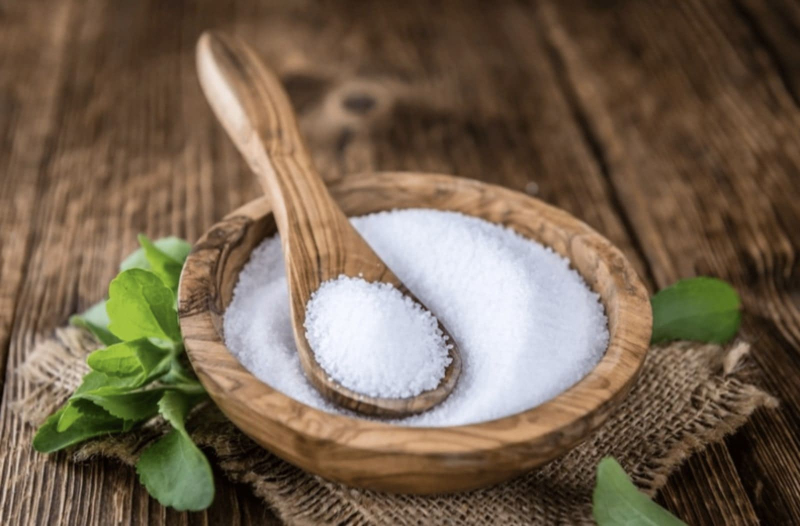
  • Stevia – a plant-based sweetener. It does not cause blood sugar spikes and has zero calories. An ideal sugar substitute for those with diabetes or anyone looking to lose weight. The drawback is its relatively high price.
  • Honey can replace white sugar, but only in small amounts. It is still a carbohydrate and should not be consumed excessively. Besides its sweetness, honey has antioxidant and antiseptic properties.
  • Dried apricots and raisins contain natural sugars along with vitamins and minerals.
  • Agave and maple syrups have a lower glycemic index compared to regular sugar.
  • Fruits and berries can also be added to porridge or other dishes.

Be cautious with these foods if you have medical contraindications.

How to reduce sugar consumption: universal tips

Researchers have found that sugar weakens immunity by 17 times. The solution is simple: change your eating habits, cut out as much sugar as possible, and your immune system will thank you. Here are some tips to help reduce sugar consumption and better control it in your diet:

  • Home-cooked meals. Food prepared at home is always healthier than processed foods, snacks, or ready-made meals. When cooking, it’s easier to control the amount of sugar than relying on product labels.
  • Avoid candies and desserts. To resist temptation, it’s better not to buy such products in the first place.
  • Read labels carefully. Check not only for sugar but also hidden ingredients: syrup, sucrose, glucose, maltose, and others.
  • No to sweet drinks! The main danger lies in sodas, energy drinks, and fruit juices.
  • Gradually reduce sugar in your meals and drinks.
  • Eat balanced meals with enough protein and fats to prevent sugar cravings.
  • Maintain a healthy lifestyle: ensure enough sleep and reduce stress.

Less sugar – more health

In today’s world, people consume too much sugar, and the immune system suffers greatly from it. High amounts of simple carbohydrates negatively affect health and provoke the development of diseases.

Reduce sugar in your diet, build healthy eating habits, and in return you’ll enjoy great health, more energy, and an excellent mood.

Author of the article:

Kateryna Kravets

Author of the article

Kateryna Kravets is an MSc in Dietetics, a postgraduate researcher in biomedical sciences, and a specialist who has been helping women find comfort in their bodies for over eight years. Her approach is rooted in science, practice, and respect for people — without miracle detoxes or strict diets.

Kateryna Kravets — a nutritionist who believes in balance, not restrictions

Hello. My name is Kateryna Kravets. I hold a master’s degree in dietetics, I’m a PhD student in biomedical sciences, and a specialist who has been helping women find comfort in their bodies for over eight years — without extremes. For me, nutrition is not about counting every crumb, but about understanding what your body truly needs right now. The better we listen to our body’s signals, the easier it is to maintain steady energy, sleep, and mood.

My approach is simple. No magical detoxes or promises of losing five kilos in a week. There’s science, practice, and respect for the person. I help people build balanced eating habits step by step, so the results last — not disappear after another strict diet. In my work, I combine knowledge of nutrition, eating behavior psychology, and gentle coaching. No judgment, but with a clear plan.

I teach to look beyond the rule “eat from 6 to 6.” Why stress makes you crave sweets. How hormones affect appetite. Why uncontrolled restrictions almost always lead to breakdowns. It’s important not only to build a balanced plate but also to understand the context of your life — work, family, deadlines, commuting between meetings. The system has to fit reality, not just look good in a planner app.

On the V-Verde blog — food that works for you

On the V-Verde platform, I share thoughtful materials about healthy eating without cults or fears. I explain how to plan balanced weekly menus that are both tasty and filling. I show where marketing disguises itself as “health advice” and how to tell trendy nonsense from truly useful recommendations. We talk about proteins, fats, carbs, micronutrients, and routines — but always through the lens of everyday life. No “perfect plates” that you could never recreate at home.

It’s important to me that each article gives not just information but tools. You finish reading — and already know what to change for breakfast tomorrow, how to reduce evening overeating, how to plan snacks on the go. Small steps build habits, and habits create results. That’s what sustainable weight loss and genuine well-being look like.

I believe in care without fanaticism — in honest portions, diverse foods, the pleasure of eating, and respect for personal boundaries. If this blog helps you take one more calm step toward better health, it means V-Verde and I are moving in the right direction. Thank you for reading and trusting. Ahead lies more practical, down-to-earth, and truly useful content — the kind that works in real life.

Sincerely, article author – K. Kravets, MSc in Sports Nutrition, PhD student in biomedical sciences.

We use Cookies files to improve the website
Accept
Add items to cart to receive a gift
Add to 1600 uah and get delivery for free
You received the maximum order gift
  • Free shipping

    1600 uah
  • Цукерки Натхнення Японії – Мікс 24 шт as a gift

    1900 uah
  • Showbox of bars – Zaryadys MIX as a gift

    2900 uah
successfully added to your cats
Go to cart
Your Basket